
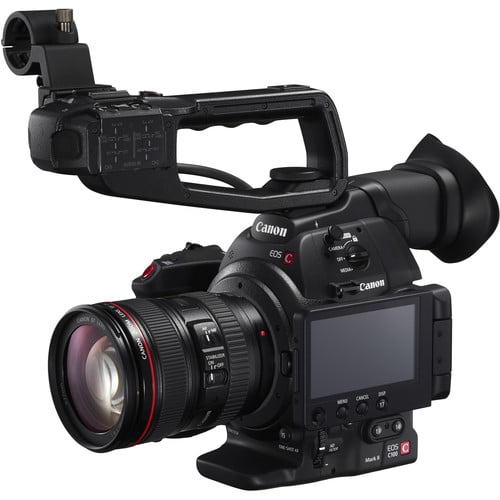


Canon EOS C100 Mark II with Dual Pixel CMOS AF & EF 24-105mm f/4L IS II USM Zoom Lens Kit
KSh 415,999.00
Key Features;
- HDMI Output with Timecode & C-Log LUT
- ISO 320 to 102,400
- Dual SDHC/SDXC Media Card Slots
- Two XLR Audio Connectors
- Built-In Wi-Fi Capability
- Super 35mm 8.3MP CMOS Sensor
- EF Mount 24-105mm f/4L IS USM Lens
- 1920x1080p 59.94/50/29.97/25/23.98
- Dual Pixel CMOS AF Hardware
- AVCHD and MP4 Recording
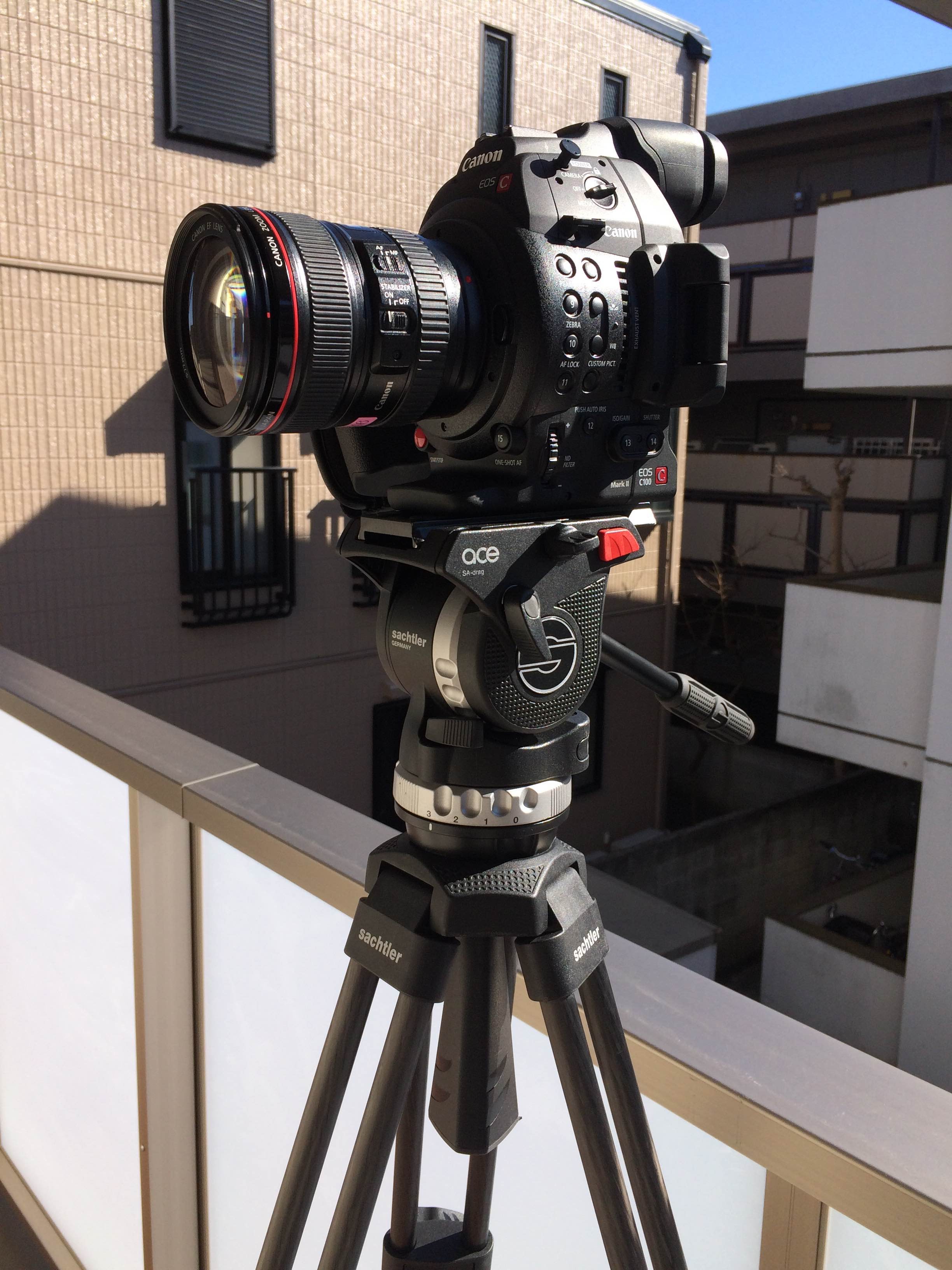
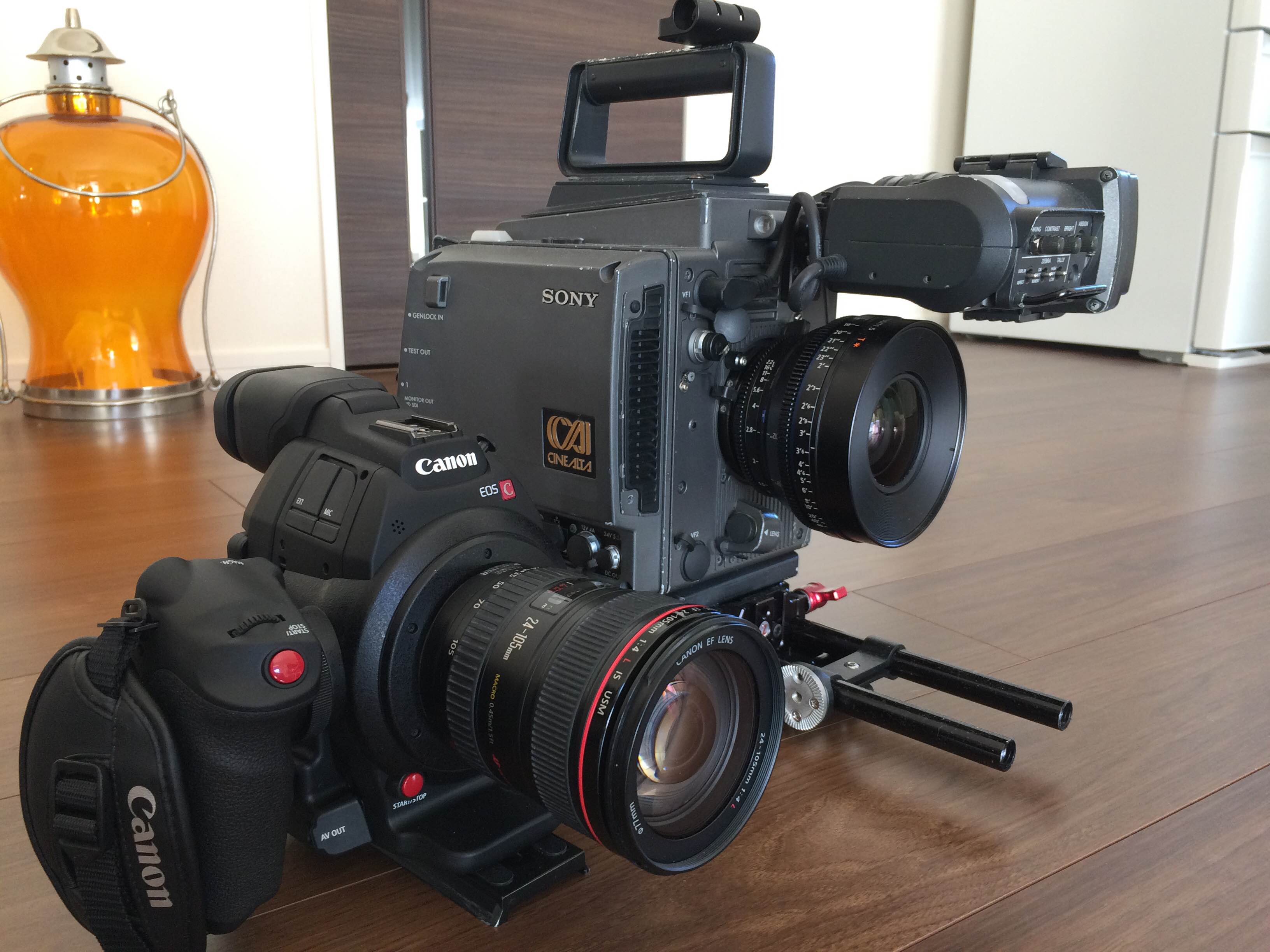
A good test for me on how easy a camera is to use is to pick it up, turn it on, set it up and use it without looking at any instructions. Apart from a few small things that I encountered the camera was pretty straight forward to operate and set up. For an operator picking up the camera for the first time I think they could be up and shooting quite quickly.
The main thing that I thought was strange when setting up the camera was how to choose what frame rate or codec to shoot in. The C100 Mark II gives you the option of recording in either AVCHD or MPEG4. While this sounds quite straight forward the sett
FUNCTIONALITY
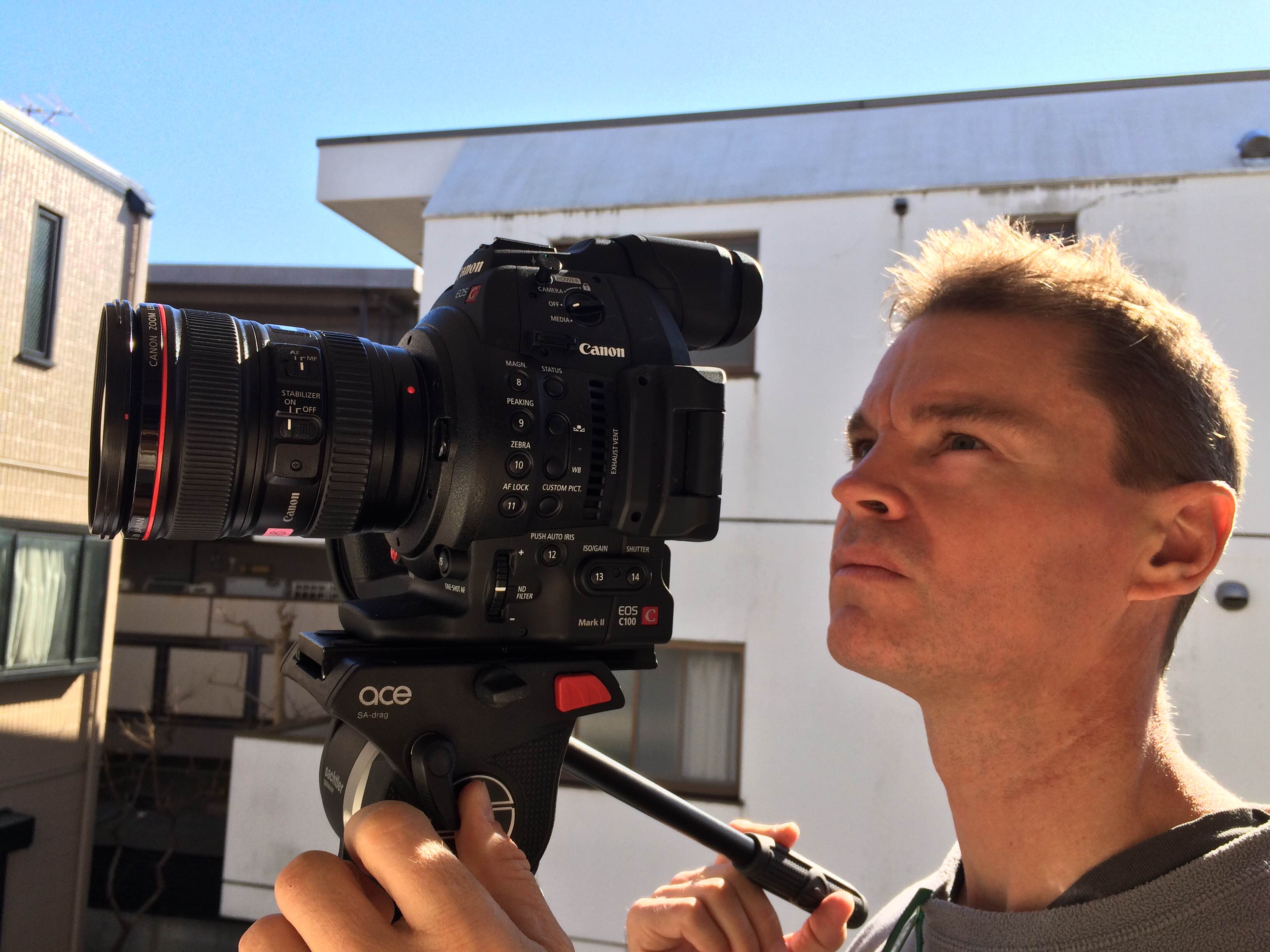
On the positive side the rest of the camera was very easy to use and changing basic functions like aperture, ISO, ND,shutter speed and white balance is a breeze. I did not use any external devices such as aftermarket EVFs, monitors or camera rigs as I wanted to see how easy the camera was to operate and use straight out of the box. The C100 Mark II has a flip out LED screen as well as a inbuilt EVF. As it was a bright sunny day I primarily used the EVF and not the flip out screen. One problem I found when doing this is that the waveform cannot be seen on the EVF and I had to have the flip out screen open to use this feature. The quality of the EVF and LCD screen are good but not great. I didn’t have any real problems using the EVF apart from the odd time when I wanted to shoot specific angles. The EVF has very little angle adjustment range and becomes useless when trying to shoot with the camera on a tripod at any height above eye level. The LCD screen has plenty of range and movement but like all LCD screens you struggle to see it in bright sunlight (Ed- alhough I guess you could add a Zacuto Z-finder).
BUILD QUALITY
The C100 Mark II feels solid in the hand and the flip out LCD screen and EVF are strong and don’t feel like they would break easily. The removable top handle that features all the audio inputs and controls attaches to the main body of the camera via a cold shoe. While this if fairly secure, on the camera I tested it did tend to wobble around a little bit – something the original C100 was also guilty of.
Related products


Nikon 70-300mm VR: Price In Kenya
Buy via WhatsApp- Mount Type: Nikon F-Bayonet
- Focal Length Range: 70-300mm
- Zoom Ratio: 4.3x
- Maximum Aperture: f/4.5-5.6
- Minimum Aperture: f/32-40
- Maximum Angle of View (DX-format): 22° 50′
- Minimum Angle of View (DX-format): 5° 20′
- Maximum Angle of View (FX-format): 34° 20′
- Minimum Angle of View (FX-format): 8° 10′
- Maximum Reproduction Ratio: 0.25x
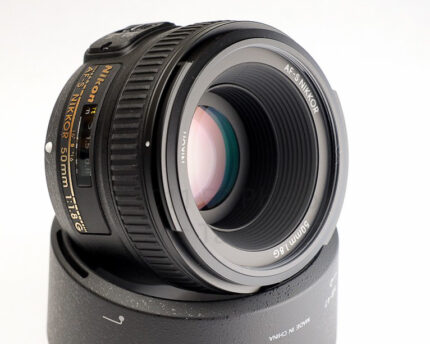


Canon EOS 80D DSLR Camera with 18-135mm Lens
Buy via WhatsApp
- 24.2MP APS-C CMOS Sensor
- DIGIC 6 Image Processor
- 3.0" 1.04m-Dot Vari-Angle Touchscreen
- Full HD 1080p Video Recording at 60 fps
- 45-Point All Cross-Type AF System
- Dual Pixel CMOS AF
- Expanded ISO 25600, Up to 7 fps Shooting
- Built-In Wi-Fi with NFC
- RGB+IR 7560-Pixel Metering Sensor
- EF-S 18-135mm f/3.5-5.6 IS USM Lens
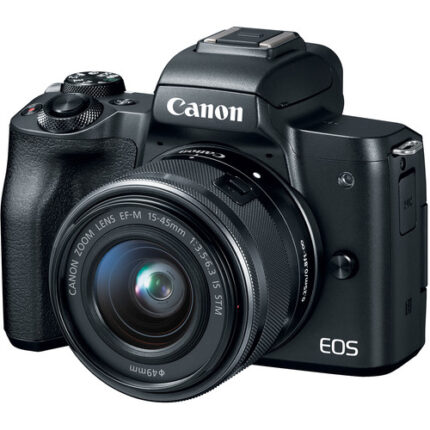
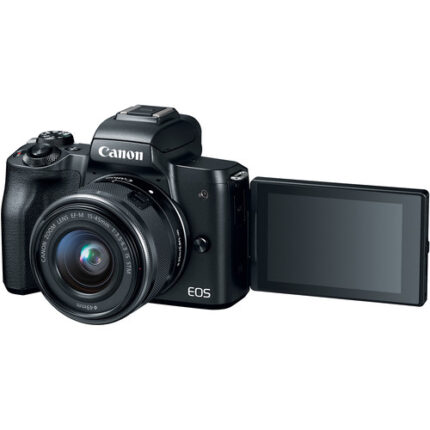
Canon EOS M50 with 15-45MM lens Digital Camera
Buy via WhatsAppKey features:
- 24.1MP APS-C CMOS Sensor
- DIGIC 8 Image Processor
- 2.36m-Dot OLED Electronic Viewfinder
- 3.0″ Vari-Angle Touchscreen LCD
- UHD 4K and HD 720p120 Video Recording
- Built-In Wi-Fi with NFC, Bluetooth
- Dual Pixel CMOS AF
- EF-M 15-45mm f/3.5-6.3 IS STM Lens
- 32GB SDHC Memory Card
- Rode VideoMic GO On-Camera Microphone

Canon XA55 UHD 4K30 Camcorder with Dual-Pixel Autofocus
Buy via WhatsAppKey Features:
- 8.29MP, 1″ CMOS sensor
- Integrated 15x optical zoom lens
- 5-axis optical image stabilization
- Dual-pixel CMOS autofocus feature
- UHD 4K30 fps, HD 59.97 fps recording
- Dual XLR, 3.5mm mic/line audio inputs
- MP4 recording
- DIG!C DV 6 processor
- Two SD memory card slots
- Mini-HDMI and 3G-SDI outputs
- 1/4″-20 tripod mounting thread

Canon XA50 UHD 4K30 Camcorder with Dual-Pixel Autofocus
Buy via WhatsAppKey Features;
- 8.29MP, 1″ CMOS sensor
- Integrated 15x optical zoom lens
- 5-axis optical image stabilization
- Dual-pixel CMOS autofocus feature
- UHD 4K30 fps, HD 59.97 fps recording
- Dual XLR, 3.5mm mic/line audio inputs
- MP4 recording
- DIG!C DV 6 processor
- Two SD memory card slots
- Mini-HDMI output
- 1/4″-20 tripod mounting thread